


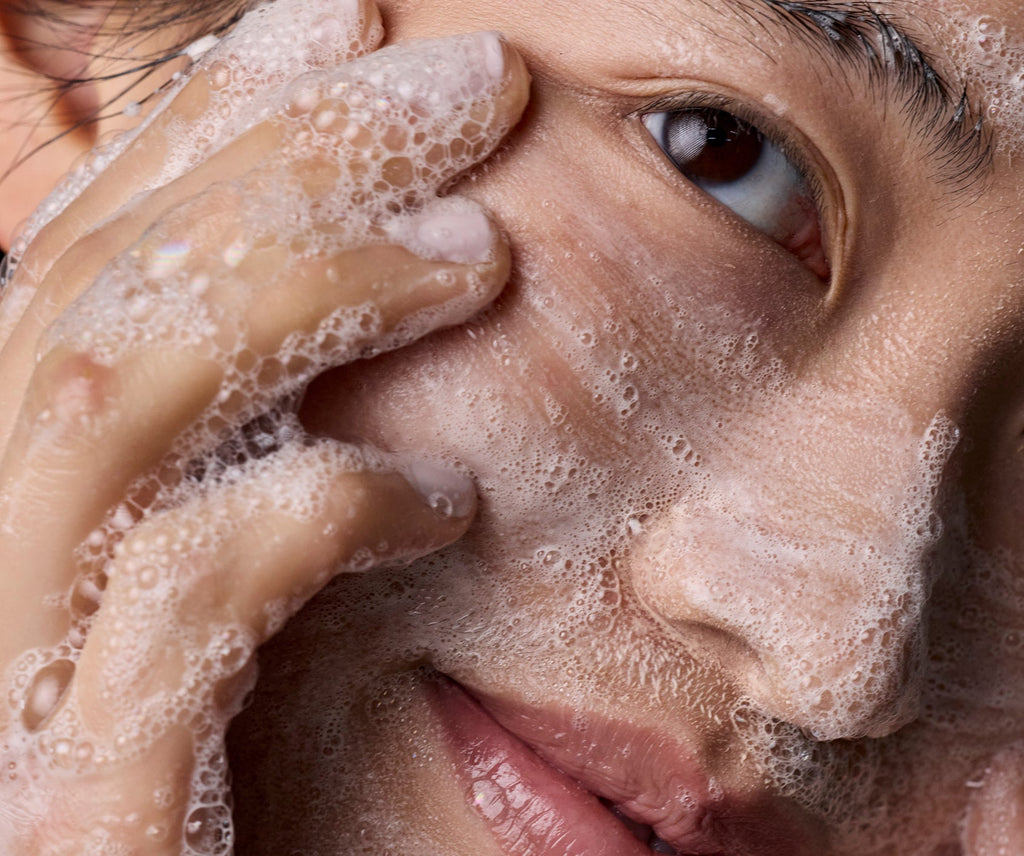
Glass skin has become one of the most searched skincare goals—and for good reason. Defined by deep hydration, smooth texture, clarity, and a luminous finish, glass skin represents healthy skin that reflects light naturally.
While the trend originated in Korean skincare, achieving glass skin doesn’t require a complicated, 10-step routine. With the right balance of hydration, gentle exfoliation, and barrier support, you can create a glow-forward routine that works for everyday life.
What Is Glass Skin, Really?
Glass skin isn’t about perfection or porelessness. It’s about skin that looks:
- Deeply hydrated
- Smooth and even in texture
- Clear and bright
- Naturally radiant
At its core, glass skin is a result of consistent moisture and skin barrier support—not harsh treatments or over-exfoliation.
Step 1: Cleanse for Clarity
The first step toward glass skin is gentle cleansing. Cleansing removes buildup, excess oil, and impurities that can dull the skin’s surface. However, harsh cleansers can strip moisture and work against your glow goals.
Opt for gel or cream cleansers that cleanse effectively while maintaining hydration. Clean skin allows light to reflect more evenly, which instantly improves radiance.
Why it matters:
When skin is stripped, it often overproduces oil, leading to congestion and uneven texture—both enemies of glass skin.
Step 2: Exfoliate to Smooth Texture
Smooth texture is essential for a glass-like finish. Exfoliation helps remove dead skin cells that cause roughness and dullness, revealing fresher skin underneath.
Chemical exfoliants are ideal because they work evenly across the skin without physical scrubbing:
- AHAs help improve brightness and surface texture
- BHAs help clear pores and congestion
Limit exfoliation to a few times per week to avoid irritation and preserve hydration.
Step 3: Hydrate Deeply With Serums
Hydration is the heart of glass skin. Lightweight serums packed with humectants and antioxidants plump the skin and enhance luminosity from within.
Look for ingredients like:
- Hyaluronic acid to attract and retain moisture
- Vitamin C to support brightness and even tone
Apply serums to slightly damp skin to boost absorption and maximize hydration.
Step 4: Seal in Moisture With the Right Cream
Moisturizer locks in all the hydration you’ve layered underneath. This step strengthens the skin barrier, preventing moisture loss and maintaining a smooth, reflective surface.
Choose a moisturizer that supports long-lasting hydration without feeling heavy. Well-hydrated skin naturally appears fuller, smoother, and more luminous.
Step 5: Protect Your Glow With SPF
Sun protection is essential for maintaining glass skin. UV exposure contributes to dullness, dark spots, and uneven texture over time.
Daily SPF helps preserve clarity and brightness while protecting the skin you’ve worked hard to hydrate. Think of sunscreen as the final step that locks in your glow.
How Long Does It Take to Achieve Glass Skin?
Glass skin isn’t instant—it’s the result of consistent care. Many people notice improved hydration and glow within a few weeks, with smoother texture developing over time as the skin barrier strengthens.
The key is patience and consistency. Avoid chasing quick fixes and focus on maintaining moisture and balance.
The Takeaway
Glass skin isn’t about trends—it’s about healthy, well-supported skin. By following a simple routine centered on hydration, gentle exfoliation, and daily protection, you can achieve a radiant, glass-like complexion that lasts.
Glow comes from consistency, not complexity.


